 Umesh Pande
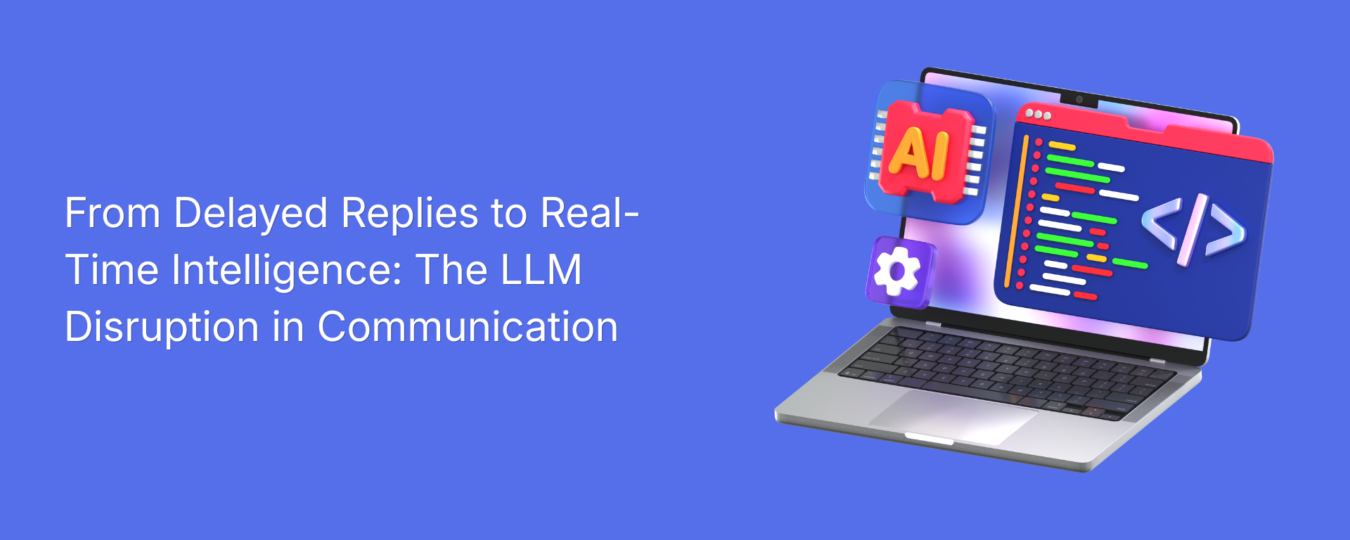
The evolution of communication has always been shaped by technological progress, from handwritten letters to instant messaging. Today, a new transformation is underway with real-time AI communication at its core. Powered by large language models (LLMs), communication is no longer bound by human response time or availability. Instead, intelligent systems can generate context-aware, meaningful responses within seconds. This shift is not merely about speed—it represents a fundamental change in how humans interact with information, services, and each other. Real-time AI communication is redefining expectations, making delays feel outdated and inefficiency unacceptable in modern digital interactions.
The Era of Delayed Communication
Before the emergence of AI chat systems, communication often involved unavoidable delays. Emails, customer support tickets, and even traditional messaging systems required human intervention, which introduced latency due to workload, time zones, or resource limitations. These delays were once considered normal, but they frequently led to frustration, reduced productivity, and missed opportunities. In business environments, delayed replies could impact customer satisfaction and decision-making, while in personal communication, they could disrupt the flow of conversation. The limitations of human-dependent systems created a clear need for faster, more responsive communication methods.
Understanding LLM Communication
At the heart of this transformation lies LLM communication, which refers to the use of advanced language models to process, understand, and generate human-like text in real time. These models are trained on vast datasets, enabling them to interpret context, tone, and intent with remarkable accuracy. Unlike traditional rule-based systems, LLMs can adapt dynamically to conversations, making interactions feel natural and fluid. This capability allows AI chat systems to move beyond scripted responses and engage in meaningful dialogue, bridging the gap between human and machine communication.
Instant Replies AI: Redefining Responsiveness
One of the most impactful aspects of this technological shift is the emergence of instant replies AI. Users today expect immediate answers, whether they are seeking customer support, educational assistance, or casual conversation. AI-driven systems meet this demand by delivering responses in real time, eliminating waiting periods. This immediacy not only enhances user experience but also increases efficiency across industries. For businesses, instant replies AI can handle large volumes of queries simultaneously, ensuring that no user is left waiting. For individuals, it creates a seamless flow of interaction that mirrors real-life conversations.
AI Chat Systems and Their Expanding Role
Modern AI chat systems have evolved far beyond simple chatbots. They are now capable of handling complex tasks such as troubleshooting technical issues, providing personalized recommendations, and even assisting in creative processes. These systems are being integrated into websites, mobile apps, and enterprise platforms, becoming a central component of digital communication strategies. Their ability to operate continuously without fatigue makes them invaluable for global operations, where users may require assistance at any time of day. As AI chat systems continue to improve, they are becoming indistinguishable from human agents in many scenarios.
The Business Impact of Real-Time AI Communication
The adoption of real-time AI communication is transforming how organizations operate. Businesses can now provide 24/7 support, reduce operational costs, and improve customer satisfaction simultaneously. By automating routine interactions, companies can allocate human resources to more complex and strategic tasks. Additionally, AI systems can analyze conversations in real time, offering insights into customer behavior and preferences. This data-driven approach enables businesses to refine their strategies and deliver more personalized experiences. The result is a more agile and responsive organization that can adapt quickly to changing demands.
Human-AI Collaboration in Communication
Rather than replacing human interaction, real-time AI communication is fostering a new form of collaboration between humans and machines. AI handles repetitive and time-sensitive tasks, while humans focus on empathy, creativity, and critical thinking. This partnership enhances overall communication quality, ensuring that users receive both speed and depth in their interactions. For example, AI can provide initial responses and gather information, while human agents step in for more nuanced discussions. This hybrid approach combines the strengths of both, creating a more effective communication ecosystem.
Challenges and Ethical Considerations
Despite its advantages, the rise of LLM communication also brings challenges. Issues such as data privacy, misinformation, and bias in AI-generated responses must be carefully managed. Ensuring transparency in AI interactions is crucial, as users should be aware when they are communicating with a machine. Additionally, maintaining the accuracy and reliability of instant replies AI is essential to prevent the spread of incorrect information. Organizations must implement robust ethical guidelines and continuous monitoring to address these concerns and build trust with users.
The Future of AI-Driven Communication
Looking ahead, the role of real-time AI communication is expected to expand even further. Advances in natural language processing and machine learning will enable AI systems to understand emotions, cultural nuances, and complex contexts with greater precision. This will lead to more personalized and human-like interactions, blurring the line between human and machine communication. As technology continues to evolve, AI chat systems will become an integral part of everyday life, shaping how people connect, learn, and collaborate.
Conclusion: A New Communication Paradigm
The transition from delayed replies to real-time intelligence marks a significant milestone in the evolution of communication. With the integration of LLM communication, instant replies AI, and advanced AI chat systems, interactions are becoming faster, smarter, and more efficient. This shift is not just about convenience—it represents a new paradigm where communication is continuous, responsive, and deeply integrated into digital experiences. As real-time AI communication continues to develop, it will redefine expectations and set new standards for how we connect in an increasingly digital world.