 Umesh Pande
In today’s rapidly evolving digital environment, organizations face a decisive moment: innovate or fall behind. Modern markets move quickly, driven by technological breakthroughs and shifting customer expectations. In this landscape, Business Innovation and Technology Integration is no longer an optional strategy—it is the foundation for sustainable competitiveness and long-term growth.
However, integrating innovation and technology is not a straightforward task. Many businesses excel in creativity but struggle with technical execution, while others adopt advanced tools without aligning them to strategic objectives. The real challenge lies in bridging the cultural, operational, and strategic divide between business-focused innovators and technology-driven teams.
This article explores how organizations can close this gap, optimize collaboration, and turn technological capabilities into powerful engines of innovation.
The Strategic Importance of Connecting Innovation With Technology
Innovation and technology cannot operate in isolation. Without technology, innovative ideas may remain concepts on paper, unable to scale or impact operations. Without innovation, technology investments may go underutilized, offering little strategic value. The integration of these two areas ensures that ideas are actionable, feasible, and aligned with the organization’s goals.
The pace of change in today’s business environment makes this integration critical. Customers expect fast, personalized experiences, while competitors adopt new tools and processes at an unprecedented speed. Disruptive technologies like AI, automation, and advanced analytics are reshaping industries rapidly. Companies that fail to combine innovation with technology often face misaligned projects, wasted resources, and delayed product launches. On the other hand, organizations that integrate innovation and technology effectively gain agility, efficiency, and stronger alignment between strategy and execution.
Aligning Business Goals With Technology
One of the biggest mistakes companies make is adopting technology without a clear connection to business objectives. True Business Innovation and Technology Integration requires that every tool, platform, or system directly supports strategic goals.
The first step is clarifying business priorities. Leadership must define long-term objectives, understand current challenges, and identify opportunities that align with customer needs and market trends. Once goals are clear, companies can build a technology roadmap that outlines which systems, tools, and platforms are needed to achieve those goals. This roadmap ensures that technology evolves alongside the organization’s strategy, reducing redundancy, and improving investment decisions.
Measuring results is equally important. Organizations should track how technology impacts efficiency, revenue, customer satisfaction, and innovation success. Data-driven insights help identify gaps and guide ongoing improvements. When technology decisions are fully aligned with business goals, innovation becomes more strategic, targeted, and effective.
Driving Transformation Through Technology
Digital transformation is no longer just about upgrading systems or automating processes. It’s about fundamentally rethinking how a business operates. Technology enables organizations to streamline operations, empower employees, and deliver superior customer experiences.
Automation reduces repetitive work, allowing employees to focus on strategic and creative tasks. This not only improves productivity but also accelerates decision-making and service delivery. Data is another critical driver. With advanced analytics, AI, and machine learning, companies can extract actionable insights from vast amounts of data. These insights inform product development, enhance customer experience, and support smarter decision-making.
Cloud technologies play a pivotal role in digital transformation. By offering scalability, flexibility, and secure access, the cloud allows companies to deploy new solutions faster and support remote collaboration across teams. Businesses leveraging cloud infrastructure can experiment, innovate, and scale without being constrained by traditional IT limitations.
Finally, technology dramatically enhances the customer experience. Personalized recommendations, AI-powered chatbots, mobile-first platforms, and interactive digital touchpoints create seamless experiences that meet modern customer expectations. By integrating technology with innovation strategies, organizations can deliver value faster and more effectively than competitors.
The Role of Digital Innovation in Business
Digital innovation is about rethinking how value is created, delivered, and sustained. It goes beyond implementing new software or systems—it transforms business models, operations, and customer interactions. Companies that embrace digital innovation can improve efficiency, increase revenue, and stay ahead in competitive markets.
Developing digital products and services is a key part of innovation. Examples include mobile apps, subscription-based services, online portals, and virtual consulting solutions. These offerings allow businesses to reach new markets, improve customer engagement, and create additional revenue streams.
Internal processes also benefit from digital innovation. Workflow automation, cloud collaboration tools, and digital documentation help eliminate inefficiencies, reduce errors, and increase operational speed. At the same time, businesses that use data and analytics to understand customer preferences can deliver highly personalized experiences that increase loyalty and satisfaction.
A culture of innovation is essential. Organizations must encourage employees to experiment, share ideas, and learn from failure. Teams that feel empowered to innovate and collaborate across departments can respond to market changes more quickly and implement solutions that are both practical and strategic.
Bridging Business and IT for Sustainable Growth
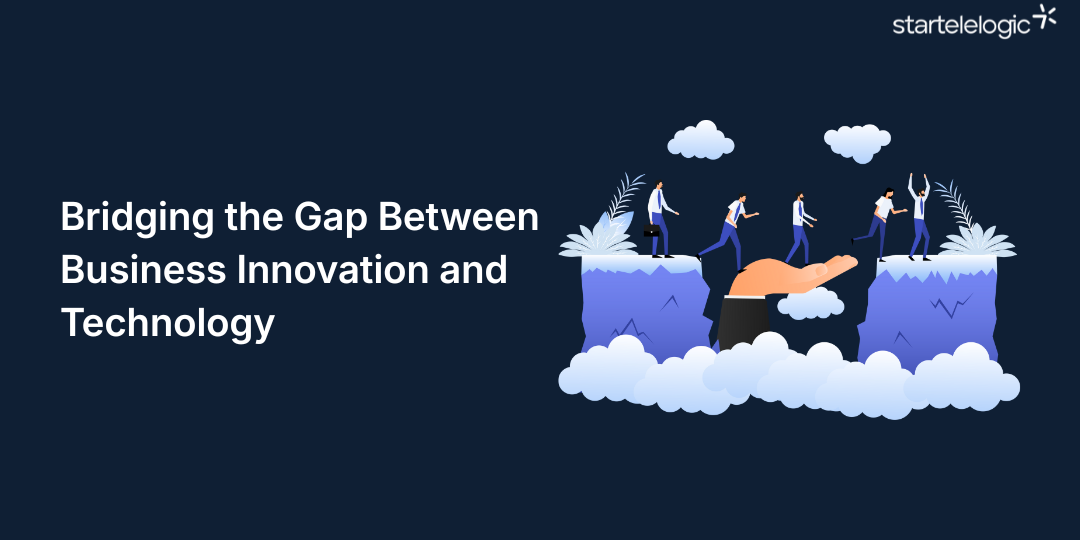
Many organizations face a persistent challenge: business and IT teams often operate in silos, with different priorities, communication styles, and success metrics. This disconnect slows progress, creates inefficiencies, and limits innovation potential. Bridging this gap is essential for tech-enabled business growth.
Effective integration begins with collaboration. IT teams should be involved in strategic discussions from the start, ensuring that technology decisions are informed by business goals. At the same time, business leaders must understand the technical possibilities and constraints. Shared performance indicators, such as project delivery timelines, adoption rates, and operational improvements, promote accountability and alignment between teams.
Adopting agile methodologies further supports collaboration. Agile allows teams to iterate quickly, respond to feedback, and adjust strategies in real-time. Technology literacy across the organization also matters. Leaders who understand the strategic impact of technology, and IT teams who understand business needs, can make better decisions and work together more effectively.
Ultimately, IT should be viewed as a strategic partner rather than just a support function. Involving IT in planning, innovation, and decision-making ensures that technology investments directly contribute to business growth and competitive advantage.
The Future of Business Innovation and Technology Integration
The integration of innovation and technology will become increasingly important as emerging technologies reshape industries. Artificial intelligence, machine learning, automation, and connected ecosystems will redefine how companies operate and compete.
Artificial intelligence will allow businesses to anticipate customer needs, optimize operations, and make smarter, faster decisions. Automation and robotics will expand beyond simple repetitive tasks to more complex problem-solving, enabling employees to focus on strategic work. The Internet of Things will create real-time visibility into operations, enhancing efficiency and customer service. Digital-first business models will dominate, and cybersecurity will become a critical consideration to protect assets, data, and trust.
Organizations that successfully integrate innovation and technology today will be better prepared for the challenges and opportunities of the future. They will be more agile, data-driven, and capable of delivering products and services that meet evolving market demands.
Conclusion
Business Innovation and Technology Integration is essential for modern organizations. It connects creative ideas with the technological tools needed to bring them to life, ensuring growth, efficiency, and customer satisfaction. Aligning technology with business strategy, fostering collaboration between business and IT, embracing digital innovation, and preparing for emerging technologies are all critical steps in achieving sustainable success. Organizations that bridge this gap effectively will thrive in the digital era, delivering value faster, smarter, and more reliably than their competitors.
FAQs on Business Innovation and Technology Integration
1. What is Business Innovation and Technology Integration?
It is the strategic alignment of innovative ideas with technological capabilities. This ensures that creativity and technology work together to create scalable, impactful, and sustainable business solutions.
2. Why is it important for modern organizations?
It allows companies to remain competitive, respond to market changes quickly, enhance customer experience, and improve operational efficiency.
3. How can organizations integrate innovation with technology effectively?
Effective integration requires aligning technology with business goals, fostering collaboration between business and IT teams, adopting agile practices, and promoting a culture of innovation and learning.
4. What role does technology play in driving business innovation?
Technology enables innovation by providing the tools and platforms needed to implement ideas, automate processes, extract insights from data, and deliver superior products and services.
5. What challenges do companies face in integration?
Common challenges include siloed departments, resistance to change, legacy systems, unclear strategic direction, and lack of technical literacy among business leaders.
6. How can organizations achieve sustainable growth through integration?
Sustainable growth comes from aligning innovation with technological strategy, measuring outcomes, fostering collaboration, and continuously adapting to new technologies and market trends.