 Umesh Pande
Artificial intelligence has moved beyond being a futuristic concept; it is now a vital part of software development. AI integration in web and mobile apps allows applications to understand, learn, and respond to users in ways that were unimaginable just a few years ago. From personalizing experiences to predicting user behavior, artificial intelligence is shaping the next generation of applications, making them smarter, faster, and more intuitive.
The Growing Impact of Artificial Intelligence in Mobile Applications
Artificial intelligence in mobile applications has completely changed how users interact with technology. Mobile apps are no longer limited to performing basic functions—they can now anticipate user needs, adapt to behavior patterns, and provide intelligent responses.
For instance, fitness apps can track activity, analyze trends, and suggest personalized workouts based on user performance. Similarly, AI-powered personal finance apps monitor spending habits and provide predictive insights to help with budgeting and investment decisions.
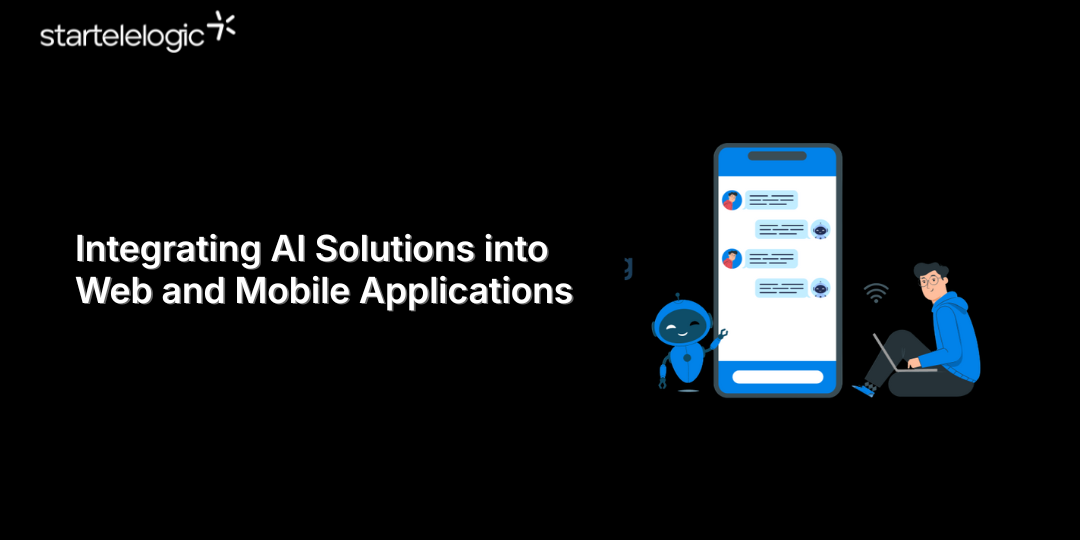
AI also makes mobile apps more convenient and accessible. Virtual assistants, chatbots, and voice-activated features allow users to perform complex tasks with simple commands. The AI algorithms behind these features continuously learn from user behavior, improving recommendations and automating repetitive tasks. By integrating machine learning into app development, mobile applications evolve alongside the user, delivering experiences that feel natural, responsive, and highly personalized.
Transforming Web Applications with AI
Web applications are experiencing a similar transformation. AI-powered web applications are no longer static; they can understand visitors, tailor content, and provide real-time solutions. For example, e-commerce websites use AI to analyze browsing and purchasing patterns, offering personalized product recommendations that improve engagement and boost sales.
Beyond personalization, AI integration in web and mobile apps helps businesses streamline operations. Chatbots can handle customer queries around the clock, freeing human agents to focus on complex issues. AI algorithms can also monitor website performance, predict system issues, and automate routine maintenance tasks.
Intelligent web and mobile apps enhance user satisfaction while reducing operational costs. This combination allows businesses to be more agile, competitive, and responsive to customer needs.
Tools and Technologies for AI App Development
Building AI-enabled applications has become more approachable thanks to modern AI app development tools. Developers can now use frameworks, libraries, and APIs to integrate machine learning into apps without needing deep expertise in AI.
Pre-trained models are available for tasks like image recognition, natural language processing, recommendation systems, and predictive analytics. Popular platforms such as TensorFlow, PyTorch, and Microsoft Azure AI provide robust solutions for both mobile and web apps.
By integrating machine learning into applications, developers can create systems that continuously learn from user behavior. This ensures apps remain relevant, functional, and intelligent over time, providing a better experience for users and reducing manual intervention for developers.
Practical Applications of AI in Modern Apps
AI solutions for mobile and web apps can enhance many aspects of functionality. In healthcare, AI-enabled mobile apps monitor vital signs, provide early warnings, and assist in medical diagnosis. Retail applications use AI to personalize shopping experiences and optimize inventory management. Educational apps can adapt learning paths to individual progress, ensuring more effective outcomes.
AI also enables predictive analytics and decision-making tools. Businesses can analyze large volumes of data to identify trends, forecast demand, and optimize operations. Intelligent web and mobile apps are not just reactive—they are proactive, often providing solutions before users even realize they need them. This level of sophistication improves usability and strengthens the connection between the app and its users.
Benefits of Integrating AI in Web and Mobile Apps
The advantages of AI integration extend far beyond improved user experiences. Applications equipped with AI can automate repetitive tasks, freeing both users and employees from time-consuming activities. Personalization increases engagement, as users receive content and services tailored to their needs. Real-time analysis allows businesses to respond faster to changes, improve efficiency, and maintain a competitive edge.
Another significant benefit is scalability. AI solutions for mobile and web platforms enable applications to handle more users, adapt to changing requirements, and maintain performance without extensive manual effort. Intelligent web and mobile apps evolve alongside their user base, ensuring continued relevance and satisfaction.
Challenges of AI Integration
Despite its benefits, integrating AI into applications comes with challenges. Data privacy is a key concern, as AI often relies on user information to function effectively. Ensuring secure storage and ethical use of data is critical to maintaining user trust.
Performance and resource management can also be complex. AI algorithms, especially those using machine learning, require significant processing power, which can impact app speed if not optimized properly. Developers must balance advanced AI features with usability to ensure applications remain responsive and easy to use.
Transparency is another important factor. Users should understand how AI makes decisions, particularly in sensitive areas like healthcare, finance, and legal services. Thoughtful design and implementation help address these concerns while preserving the benefits of AI-enhanced applications.
The Future of Intelligent Applications
The future of AI integration in web and mobile apps is exciting. Advances in machine learning, natural language processing, and predictive analytics will make applications even smarter and more autonomous. AI app development tools will continue to simplify the process, allowing developers to create intelligent apps without extensive technical barriers.
As intelligent web and mobile apps become more capable, users can expect highly personalized, proactive, and adaptive experiences. Applications will not only respond to user needs—they will anticipate them. This evolution is set to redefine how humans interact with technology, providing tools that are both efficient and deeply aligned with user behavior.
Conclusion
AI integration in web and mobile apps is essential for creating modern, engaging, and intelligent applications. From enhancing user experience to streamlining business operations, AI-powered apps provide significant advantages. Leveraging AI app development tools and integrating machine learning into applications allows developers to build systems that learn, adapt, and grow alongside users.
The journey toward intelligent applications is ongoing, with endless potential for innovation. Businesses and developers that embrace AI solutions for mobile and web platforms are not just improving functionality—they are reshaping the way people interact with technology and creating the future of digital experiences.
FAQs: Integrating AI Solutions into Web and Mobile Applications
1. What is AI integration in web and mobile apps?
AI integration in web and mobile apps involves embedding artificial intelligence technologies such as machine learning, predictive analytics, and natural language processing. This enables apps to understand user behavior, provide personalized experiences, automate tasks, and make intelligent decisions.
2. How does artificial intelligence improve mobile applications?
AI improves mobile applications by predicting user needs, providing tailored recommendations, and automating routine tasks. Fitness, finance, and educational apps, for example, use AI to offer personalized experiences that evolve with the user over time.
3. What are AI-powered web applications?
AI-powered web applications use artificial intelligence to deliver interactive, adaptive, and intelligent experiences. They can personalize content, automate customer support through chatbots, analyze user behavior, and make real-time decisions to improve engagement and efficiency.
4. Which tools are used for AI app development?
AI app development tools include frameworks, APIs, and platforms like TensorFlow, PyTorch, and Microsoft Azure AI. These tools allow developers to integrate machine learning, predictive analytics, and intelligent features into apps without extensive AI expertise.
5. What benefits do AI solutions bring to mobile and web apps?
AI solutions enhance personalization, automate tasks, improve efficiency, enable predictive insights, and allow apps to scale intelligently. Intelligent web and mobile apps adapt to user behavior, keeping engagement and satisfaction high.
6. What are the challenges of integrating AI into applications?
Challenges include maintaining data privacy, managing resource-intensive AI algorithms, and ensuring transparency in AI decision-making. Developers must balance advanced features with usability to keep apps intuitive and responsive.
7. How does integrating machine learning into applications help businesses?
Machine learning allows apps to analyze large datasets, predict trends, optimize operations, and deliver personalized experiences. This makes applications adaptive, continually improving functionality and user satisfaction.
8. What is the future of intelligent web and mobile apps?
The future involves apps that are highly predictive, context-aware, and autonomous. Developers will be able to create smarter applications that anticipate user needs, offering seamless, personalized experiences that feel natural and intuitive.