 Umesh Pande
Customer engagement has shifted from simple brand interactions to an ongoing journey shaped by multiple touchpoints and expectations of continuity. As businesses expand their presence across websites, mobile apps, social media platforms, email campaigns, online marketplaces, and physical stores, the conversation around omnichannel vs multichannel customer engagement has taken center stage. Many organizations assume that operating on several channels automatically delivers a seamless experience, yet customers often encounter disconnected messaging and fragmented interactions. The true difference lies in how well these channels are connected and whether they work together to support the customer’s journey. Understanding this distinction is essential for businesses that want to build lasting relationships, earn customer trust, and remain competitive in a customer-driven marketplace.
What Is Omnichannel vs Multichannel Customer Engagement?
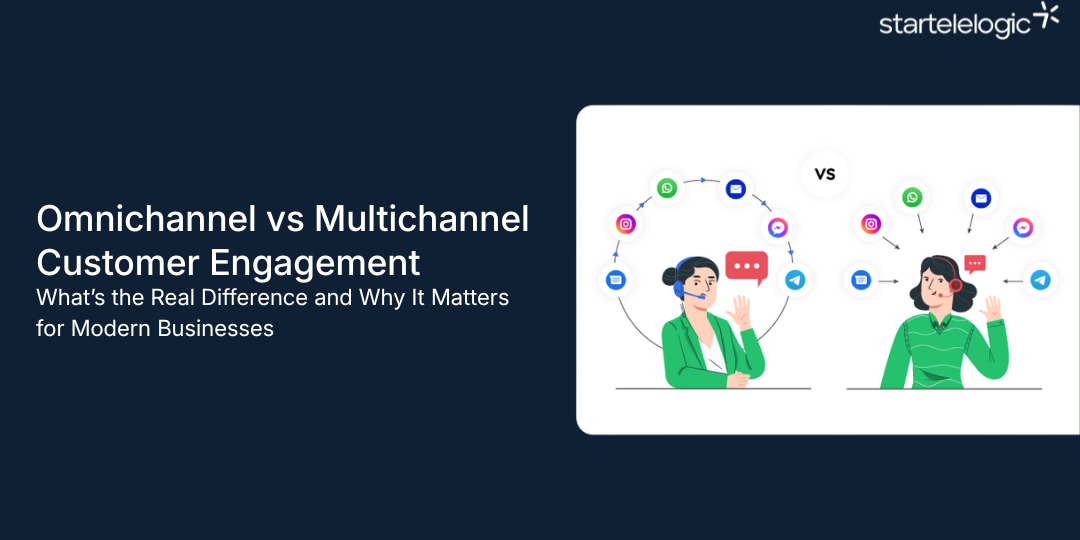
At its core, omnichannel vs multichannel customer engagement refers to two distinct approaches businesses use to communicate and interact with customers across multiple platforms. Multichannel customer engagement focuses on using several channels independently to reach customers, such as email marketing, social media, in-store experiences, websites, and customer support lines. Each channel functions separately, often with its own goals, messaging, and data systems.
Omnichannel customer engagement takes a more integrated approach. Instead of treating each channel as an isolated touchpoint, omnichannel connects all platforms into a unified system. Customer interactions are synchronized across channels, allowing businesses to recognize customers, remember preferences, and continue conversations seamlessly. This integrated experience is what differentiates omnichannel engagement from traditional multichannel models and sets a new standard for customer expectations.
Omnichannel vs Multichannel Marketing: A Strategic Comparison
The discussion around omnichannel vs multichannel marketing highlights a fundamental strategic difference. Multichannel marketing is primarily channel-focused, meaning businesses concentrate on maximizing performance within individual platforms. Marketing campaigns are often planned and executed separately for email, social media, paid ads, and offline channels, which can lead to inconsistent messaging and disconnected customer experiences.
Omnichannel marketing, on the other hand, is customer-focused rather than channel-focused. It aligns marketing efforts across all touchpoints to support a single, continuous customer journey. Every interaction is informed by previous behavior, preferences, and engagement history. This approach allows brands to deliver more relevant messaging, personalized offers, and timely communications that feel natural rather than repetitive. As a result, omnichannel marketing tends to drive higher engagement, stronger brand loyalty, and better conversion rates.
Difference Between Omnichannel and Multichannel Customer Engagement
The difference between omnichannel and multichannel engagement becomes clear when observing how customers move between platforms. In a multichannel environment, customers may encounter friction when switching channels because systems do not share information. For example, a customer might browse a product online, receive unrelated promotional emails, and then have to repeat information when contacting customer support.
In an omnichannel environment, all interactions are connected. A customer’s browsing history, purchase behavior, and previous conversations are accessible across channels. This continuity creates a smoother, more intuitive experience that aligns with how modern consumers naturally interact with brands. The difference is not just technical but experiential, as omnichannel engagement prioritizes convenience, consistency, and personalization.
Multichannel Customer Engagement: Benefits and Limitations
Multichannel customer engagement remains a widely used approach, especially among businesses that want to expand their digital presence quickly. By engaging customers through multiple platforms, brands increase visibility and reach a broader audience. This approach allows businesses to experiment with different channels and tailor content to the strengths of each platform.
However, multichannel engagement has inherent limitations. Because channels operate independently, customers often receive fragmented experiences. Messaging may be inconsistent, personalization limited, and customer service interactions disconnected. While multichannel engagement improves reach, it does not necessarily improve relationship quality. As customer expectations rise, these limitations become more apparent and can negatively impact brand perception.
Omnichannel Customer Experience: Creating Seamless Journeys
The omnichannel customer experience is built around the idea that customers should be able to move effortlessly between channels without disruption. Whether a customer starts their journey on social media, continues on a website, and completes a purchase in-store, the experience should feel cohesive and personalized.
Achieving this level of integration requires centralized customer data, aligned teams, and consistent branding across all touchpoints. When executed effectively, omnichannel experiences enhance customer satisfaction by reducing friction and increasing relevance. Customers feel understood and valued, which strengthens emotional connections and encourages long-term loyalty. This is why omnichannel customer experience has become a critical differentiator in competitive industries.
Omnichannel Strategy for Businesses: A Customer-Centric Approach
Implementing an effective omnichannel strategy for businesses involves more than adopting new technology. It requires a shift in organizational mindset from channel performance to customer journey optimization. Businesses must break down internal silos and ensure that marketing, sales, and customer service teams work toward shared goals.
A successful omnichannel strategy focuses on consistency, personalization, and real-time responsiveness. Brands that embrace this approach are better equipped to anticipate customer needs and deliver meaningful interactions at every stage of the journey. While the transition may require investment and change management, the long-term benefits include higher customer retention, increased lifetime value, and improved brand trust.
Multichannel Marketing Strategy: When It Makes Sense
A multichannel marketing strategy can still be effective in specific scenarios, particularly for smaller businesses or those at an early stage of digital transformation. Managing independent channels allows brands to test messaging, explore new platforms, and identify where their audience is most active.
However, as businesses grow and customer expectations increase, the limitations of multichannel marketing become more pronounced. Without integration, it becomes difficult to scale personalization and maintain consistency. For many organizations, multichannel marketing serves as a stepping stone toward a more advanced omnichannel approach rather than a permanent solution.
Customer Expectations in Omnichannel vs Multichannel Engagement
Customer expectations play a central role in the shift from multichannel to omnichannel engagement. Modern consumers expect brands to recognize them across channels, remember past interactions, and provide relevant experiences. In the context of omnichannel vs multichannel customer engagement, omnichannel aligns more closely with these expectations by delivering continuity and personalization.
When brands fail to meet these expectations, customers are more likely to disengage or switch to competitors. Omnichannel engagement reduces these risks by creating a consistent and reliable experience that builds trust over time. This trust is essential for fostering long-term relationships in an increasingly crowded digital marketplace.
Role of Data and Technology in Omnichannel Engagement
Data and technology are the foundation of effective omnichannel engagement. Integrated customer data platforms, CRM systems, and analytics tools enable businesses to gain a holistic view of customer behavior. This visibility allows for more accurate personalization and better decision-making.
In contrast, multichannel systems often suffer from data silos, limiting insight into the full customer journey. Omnichannel technology eliminates these silos, enabling brands to track engagement across channels and optimize experiences in real time. As technology continues to evolve, data-driven omnichannel strategies will become even more powerful and essential.
Measuring Success: Omnichannel vs Multichannel Metrics
Measuring success differs significantly between omnichannel and multichannel strategies. Multichannel metrics typically focus on individual channel performance, such as click-through rates, impressions, or engagement levels. While these metrics are useful, they provide a limited view of overall customer engagement.
Omnichannel metrics emphasize holistic outcomes such as customer retention, lifetime value, and journey completion rates. These metrics reflect the effectiveness of integrated experiences rather than isolated interactions. By focusing on customer-centric KPIs, businesses gain a clearer understanding of how engagement strategies contribute to long-term growth.
Future Trends in Omnichannel vs Multichannel Customer Engagement
The future of customer engagement is increasingly omnichannel. Advances in artificial intelligence, automation, and predictive analytics are enabling brands to deliver more personalized and proactive experiences. Customers will continue to expect seamless interactions across both digital and physical channels.
While multichannel engagement may remain relevant in certain contexts, omnichannel strategies are becoming the standard for businesses that prioritize customer experience. Organizations that invest in omnichannel capabilities today are better positioned to adapt to future trends and maintain a competitive edge.
Omnichannel vs Multichannel Customer Engagement—Which Is Right for You?
Choosing between omnichannel vs multichannel customer engagement depends on business goals, resources, and customer expectations. Multichannel strategies offer flexibility and reach, making them suitable for early-stage or resource-constrained businesses. Omnichannel strategies, however, deliver deeper engagement, stronger loyalty, and more consistent experiences.
Understanding the difference between omnichannel and multichannel empowers businesses to make informed decisions about their engagement approach. As customer expectations continue to rise, omnichannel engagement is becoming less of an option and more of a necessity. Businesses that prioritize seamless, customer-centric experiences will be best positioned for sustainable success in the digital age.
Frequently Asked Questions (FAQs)
1. What is the main difference between omnichannel and multichannel customer engagement?
The main difference between omnichannel and multichannel customer engagement lies in how channels are connected. Multichannel engagement uses multiple platforms independently, meaning each channel operates separately. Omnichannel engagement integrates all channels, allowing customer data and interactions to flow seamlessly across platforms. This creates a more consistent and personalized customer experience.
2. Is omnichannel better than multichannel for customer engagement?
Omnichannel is generally more effective for customer engagement because it focuses on the entire customer journey rather than individual channels. While multichannel increases reach, omnichannel improves experience quality by ensuring consistency, personalization, and continuity. For businesses focused on long-term customer relationships and loyalty, omnichannel is often the better choice.
3. Can small businesses use omnichannel customer engagement?
Yes, small businesses can implement omnichannel customer engagement, but it often requires a phased approach. Many small businesses start with a multichannel strategy and gradually integrate channels as they grow. Even simple steps, such as syncing customer data between email and customer support, can move a business toward an omnichannel experience.
4. How does omnichannel customer experience improve customer loyalty?
Omnichannel customer experience improves loyalty by reducing friction and making interactions feel more personal and connected. When customers don’t have to repeat information and receive consistent messaging across channels, they feel valued and understood. This builds trust, strengthens emotional connections, and encourages repeat engagement.
5. What role does data play in omnichannel vs multichannel engagement?
Data plays a critical role in distinguishing omnichannel from multichannel engagement. In multichannel systems, data is often stored in silos, limiting visibility into customer behavior. Omnichannel engagement relies on centralized data that provides a complete view of the customer journey, enabling better personalization, faster responses, and smarter decision-making.
6. When should a business choose a multichannel marketing strategy instead of omnichannel?
A business may choose a multichannel marketing strategy when resources, technology, or organizational readiness are limited. Multichannel works well for testing platforms, increasing visibility, or reaching different audiences quickly. However, as customer expectations grow, many businesses transition from multichannel to omnichannel to deliver more connected and consistent experiences.