 Umesh Pande
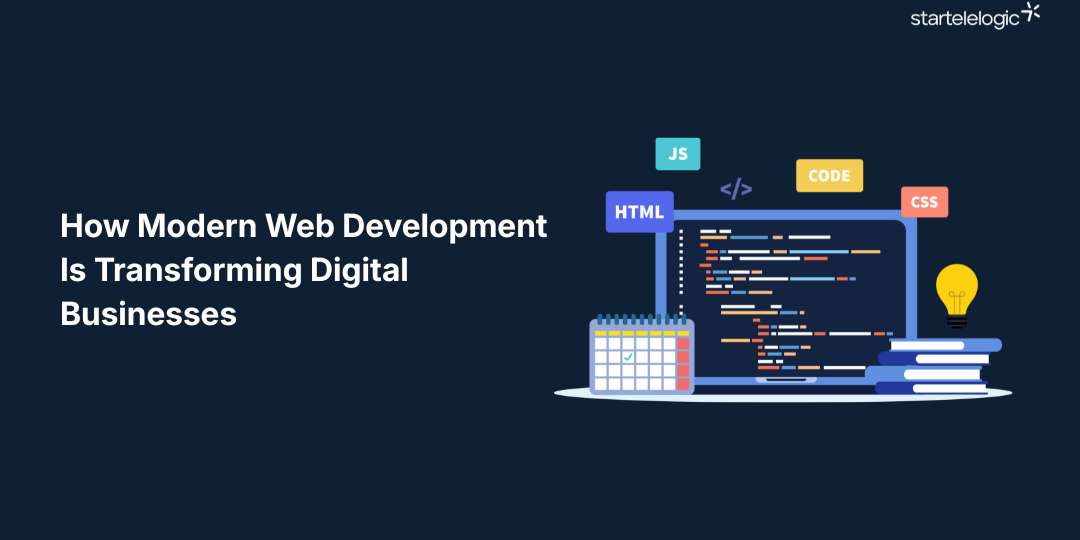
The digital world is no longer just a supporting space for businesses; it has become the main stage where brands connect, sell, and grow. A company’s website is often the first interaction customers have, and that experience shapes trust, credibility, and buying decisions. This is where Modern Web Development plays a powerful role, helping businesses move beyond simple online presence into meaningful digital success.
Modern websites are not just visually appealing. They are fast, secure, adaptable, and designed to grow alongside the business. From small startups to global enterprises, organizations are rethinking how they use web platforms to drive long-term value and stay competitive in a rapidly evolving digital economy.
The Growing Importance of Modern Web Development for Businesses
Websites have shifted from static pages into dynamic digital platforms that support real business goals. Web development for businesses now focuses on performance, user experience, and scalability rather than just appearance. Customers expect smooth navigation, quick loading times, and seamless access across devices, and businesses that fail to meet these expectations often lose opportunities.
Modern Web Development allows companies to create platforms that reflect their brand personality while also supporting sales, marketing, and customer engagement. A well-developed website works like a digital employee, available 24/7 to inform visitors, answer questions, and guide them toward action. This transformation has made web development a core investment rather than an optional expense.
Digital Business Transformation Through Web Technologies
The concept of Digital business transformation goes far beyond moving operations online. It involves rethinking how businesses operate, interact with customers, and deliver value using digital tools. Modern Web Development acts as the foundation for this shift, enabling automation, personalization, and real-time interaction.
Businesses can integrate booking systems, payment gateways, customer portals, and analytics directly into their websites. This creates smoother workflows and better decision-making. Instead of relying on multiple disconnected tools, companies can centralize their operations through a smartly built web platform that evolves as business needs change.
Front-End and Back-End Development Working Together
Behind every smooth digital experience is a strong collaboration between Front-end and back-end development. The front end is what users see and interact with, such as layouts, buttons, and content flow. The back end handles data, security, and logic that keep everything running correctly behind the scenes.
Modern Web Development ensures that both sides work seamlessly together. A visually appealing website means little if it loads slowly or fails to process user actions. When front-end creativity meets back-end stability, businesses gain websites that feel intuitive while remaining reliable and secure. This balance directly impacts customer satisfaction and trust.
Responsive Web Design as a Business Necessity
People access websites from smartphones, tablets, laptops, and large screens, often switching between devices throughout the day. Responsive web design ensures that a website automatically adjusts to fit any screen size without losing functionality or clarity.
Modern Web Development places responsiveness at the center of the design process rather than treating it as an afterthought. Businesses benefit from better engagement, lower bounce rates, and improved search visibility. A responsive website communicates professionalism and care, showing users that their experience matters regardless of how they choose to browse.
Progressive Web Applications Changing User Expectations
User expectations have evolved beyond traditional websites, leading to the rise of Progressive web applications (PWAs). PWAs combine the accessibility of websites with the functionality of mobile apps, offering faster performance, offline access, and smoother interactions.
Modern Web Development enables businesses to adopt PWAs without the high costs of building separate mobile applications. This approach helps brands stay connected with users, send updates, and deliver consistent experiences across platforms. For digital businesses, PWAs represent a practical way to increase engagement while keeping development efficient and flexible.
The Role of Advanced Web Development Technologies
The growth of Web development technologies has reshaped how businesses build and manage their online platforms. Modern frameworks, cloud services, and content management systems allow faster development and easier updates without disrupting operations.
These technologies make it possible to personalize content, analyze user behavior, and adapt strategies in real time. Businesses no longer need to rebuild websites from scratch when they grow or pivot. Instead, Modern Web Development supports continuous improvement, helping companies stay agile in competitive markets.
Building Scalable Web Solutions for Long-Term Growth
A successful digital business is one that plans for growth, not just immediate needs. Scalable web solutions ensure that websites can handle increasing traffic, new features, and expanding customer bases without performance issues.
Modern Web Development focuses on creating flexible structures that adapt as businesses evolve. Whether adding new services, entering new markets, or integrating third-party tools, scalability prevents technical limitations from slowing progress. This future-ready approach protects investments and supports sustainable expansion.
How Modern Web Development Strengthens Brand Trust
Trust is a critical factor in digital business success, and websites play a major role in building it. Fast load times, secure transactions, and consistent performance all contribute to user confidence. Modern Web Development prioritizes these elements, ensuring that visitors feel safe and valued.
A professionally developed website reflects reliability and attention to detail. When users experience smooth navigation and clear communication, they are more likely to engage, return, and recommend the brand. Over time, this trust translates into stronger customer relationships and improved business reputation.
The Competitive Advantage of Modern Web Development
Digital competition is intense, and standing out requires more than a basic online presence. Modern Web Development gives businesses the tools to innovate, adapt, and respond quickly to market changes. It supports creative storytelling, personalized user journeys, and data-driven decisions that keep brands relevant.
Businesses that invest in modern web practices are better positioned to attract customers, retain loyalty, and scale operations efficiently. As digital expectations continue to rise, those who embrace modern development approaches gain a clear advantage over competitors relying on outdated systems.
Conclusion: The Future of Digital Business Is Built on Modern Web Development
The transformation of digital businesses is closely tied to how effectively they use web technologies. Modern Web Development has moved beyond technical execution into a strategic force that shapes customer experience, operational efficiency, and long-term growth.
From responsive design and PWAs to scalable solutions and advanced technologies, modern web practices empower businesses to thrive in a digital-first world. Companies that view their websites as living, evolving platforms rather than static assets are better equipped to meet future challenges and unlock new opportunities in the digital landscape.
Frequently Asked Questions (FAQs)
1. What is Modern Web Development and why is it important for businesses?
Modern Web Development refers to the use of current design practices, technologies, and development approaches to create fast, secure, and user-friendly websites. It is important for businesses because it directly impacts customer experience, brand credibility, and online visibility. A modern website helps businesses engage users effectively, adapt to changing market needs, and support long-term growth without constant rebuilding.
2. How does web development for businesses support digital transformation?
Web development for businesses plays a key role in digital business transformation by turning websites into functional platforms rather than simple information pages. Modern web solutions allow businesses to automate processes, integrate tools like payment systems and customer portals, and deliver personalized experiences. This transformation improves efficiency, enhances customer satisfaction, and helps companies stay competitive in digital markets.
3. What is the difference between front-end and back-end development?
Front-end and back-end development work together to create a complete website experience. Front-end development focuses on what users see and interact with, such as layout, design, and navigation. Back-end development manages the server, databases, and application logic that power the website behind the scenes. Modern Web Development ensures both sides function smoothly to deliver reliable and engaging digital experiences.
4. Why is responsive web design essential for modern websites?
Responsive web design is essential because users access websites from multiple devices, including smartphones, tablets, and desktops. A responsive website automatically adjusts its layout and content to fit different screen sizes. This improves usability, increases engagement, and supports better search engine rankings. Businesses benefit by reaching wider audiences without creating separate versions of their website.
5. How do Progressive Web Applications benefit digital businesses?
Progressive web applications (PWAs) offer businesses a powerful way to deliver app-like experiences through the web. PWAs load faster, work offline, and provide smoother interactions compared to traditional websites. For digital businesses, PWAs increase user engagement, improve performance, and reduce development costs by eliminating the need for separate mobile apps.
6. What makes scalable web solutions important for long-term growth?
Scalable web solutions allow businesses to grow without technical limitations. As traffic increases or new features are added, a scalable website maintains performance and stability. Modern Web Development focuses on flexible structures that support expansion, integration, and future upgrades. This ensures businesses can adapt quickly to market changes while protecting their digital investment.